

Ed Dorgan
TEACHER'S SNAPSHOT
Subjects:
Civil War, Slavery & Abolition
Course Topics/Big Ideas:
Civil Unrest, Civil War, and Reconstruction
Grade:
Grade 8
Lesson Plan Notes
This activity will follow after students have studied the antebellum period (the causes of the U.S. Civil War). Students will have learned about the Compromise of 1850, the Kansas-Nebraska Act, The Dred Scott Decision, and Bloody Kansas. They will have learned how the issue of slavery divided the nation and the impact on the 1858 U.S. Senate race in Illinois (that pitted incumbent Stephen Douglas against challenger Abraham Lincoln). This activity can be used during the study of the 1860 Presidential Election. Furthermore, students will have learned about the development of the Republican Party and the division of the nation over the issue of slavery.
ESSENTIAL QUESTION
SUPPORTING QUESTIONS
- Why did the Wide Awakes begin in Hartford?
- Who were the founders of the Wide Awakes (in Hartford)?
- What were the goals of the Wide Awakes?
- How did the Wide Awakes expand across the North and Midwest?
- How did the Wide Awakes impact the nation during the Election of 1860 (and beyond)?
ACTIVITY
- First, have students observe the Wide Awake banner from 1860 (Source #1) and develop 3 questions.
- Students will read an article on the history of the Wide Awakes (Source #2). Based on the information from the article, they should answer the questions they developed in Step 1.
- Pair up students and have them examine Sources 3-5 together. Why is each source important in understanding the Wide Awakes? Have students share their responses with their classmates.
OPPORTUNITIES FOR ASSESSMENT
Assessment Option 1: Article
Write a newspaper article for the Hartford Courant, celebrating the 10th Anniversary of the Wide Awakes’ founding. The article will focus on how the Wide Awakes began in Hartford, Connecticut and the actions taken by members of the Hartford Wide Awakes chapter to spread their goals across the North in 1860. The conclusion will focus on the impact of the Wide Awakes movement on the 1860 U.S. Presidential Election and their involvement in the U.S. Civil War.
Assessment Option 2: Presentation
Research other political movements of young adults for presidential candidates during the 20th and early 21st centuries. (Some examples of the presidential candidates could include John F. Kennedy, Robert Kennedy, Eugene McCarthy, Jimmy Carter, Barack Obama, etc.). Students will create a presentation proving the background of the “youth movement” in the presidential campaign and evaluate the effectiveness of the young adults in the campaign.
RESOURCE TOOL KIT
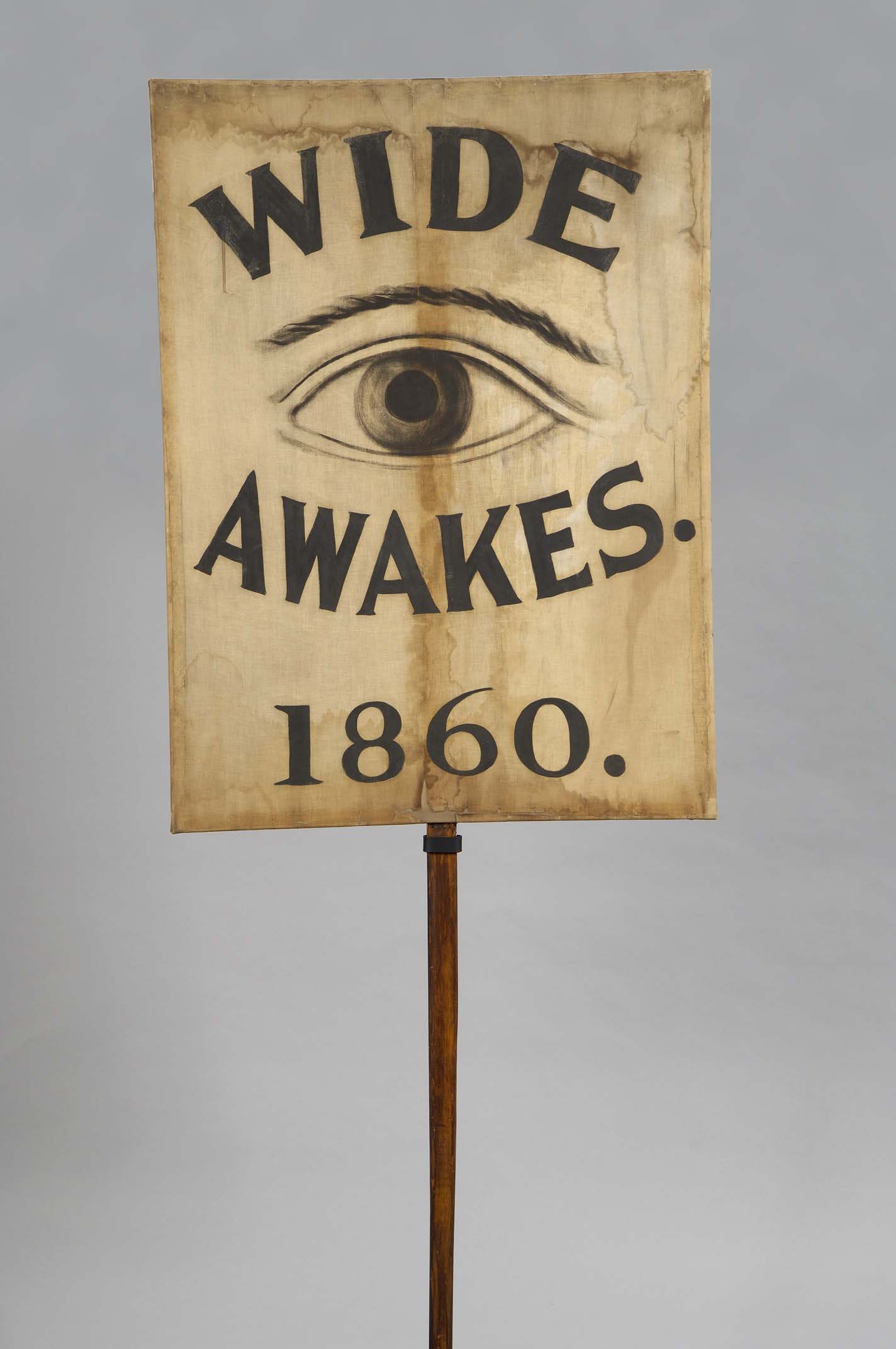
Source #1. Wide Awakes banner, 1860. Connecticut Museum collection, gift of Dr. Robert M. Yergason, 1922.4.3.
Source #2. Nelson, Clare. “The Wide Awakes.” ConnecticutHistory.org. https://connecticuthistory.org/the-wide-awakes/
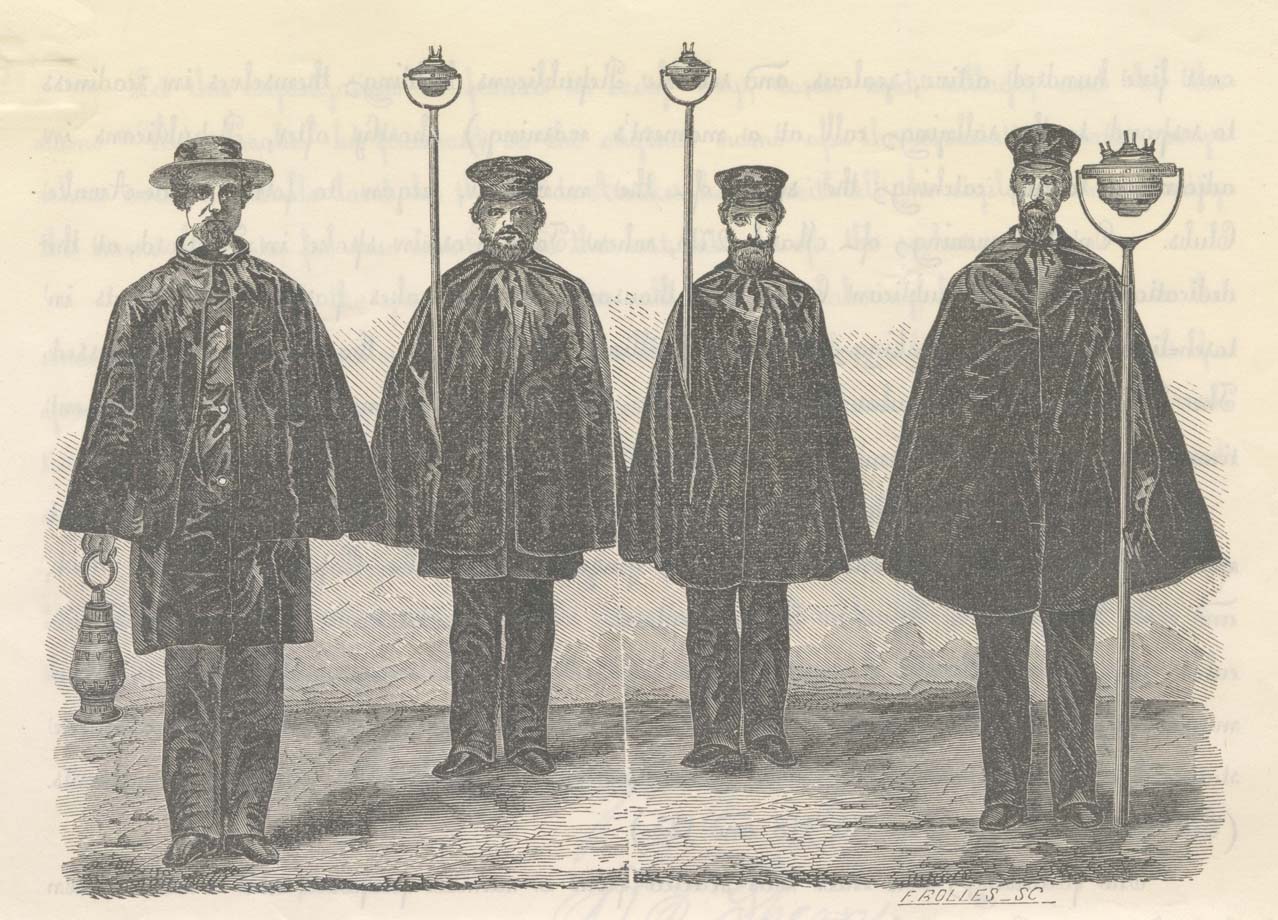
Source #3. Program for the 1890 Wide Awakes reunion. Connecticut Museum collection, MS 13264.
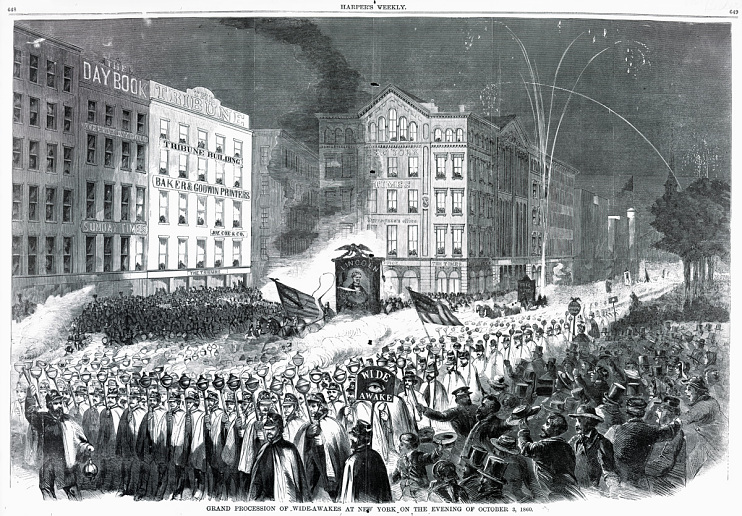
Source #4. “Grand Procession of Wide Awakes at dusk on the evening of October 3, 1860.” Harpers Weekly, October 13, 1860, National Museum of American History, Smithsonian Institute.
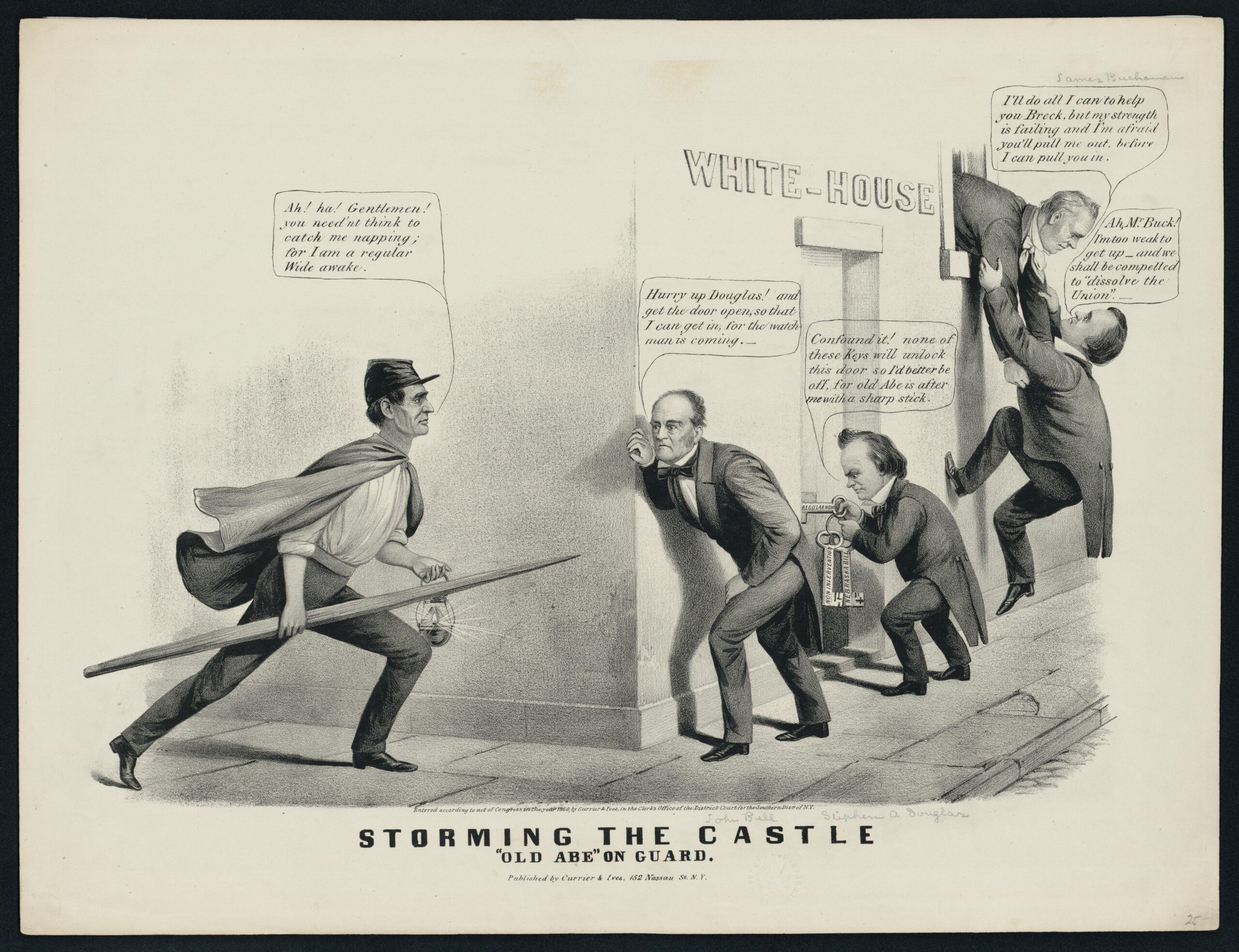
Source #5. “Storming the castle. ‘Old Abe’ on guard.” United States New York, 1860. Currier & Ives, New York. Photograph. https://www.loc.gov/item/scsm000343/.
ADDITIONAL RESOURCES
Places to GO
Connecticut Museum of Culture and History Collections at their Waterman Research Center
Lincoln Financial Sculpture Walk at Riverfront
Berlin Historical Society includes a Wide Awakes torch in its collection
National Museum of American History in Washington, DC
Things To DO
Listen to the Wide Awakes episode of the Smithsonian’s podcast Sidedoor and view items from the National Museum of American History’s collection.
Websites to VISIT
Learn more about the Wide Awakes in Connecticut with objects from the Connecticut Museum of Culture and History’s digital collections.
Articles to READ
Read an adapted excerpt of Wide Awake: The Forgotten Force That Elected Lincoln and Spurred the Civil War by Jon Grinspan in Smithsonian Magazine.